Renewable Energy Valleys (REVs) are comprehensive ecosystems designed to transition areas from reliance on conventional energy sources to sustainable hubs for renewable energy generation, distribution, and consumption. They leverage multiple Renewable Energy Sources (RES) such as solar, wind, geothermal, biomass, and hydrogen, combined with energy storage technologies, to meet local energy demands throughout the year. The integration of advanced information and communication technology (ICT) and open digital solutions enables seamless management of these resources.
The research titled “Reshaping the Energy Landscape of Crete Through Renewable Energy Valleys” focuses on Crete as a pilot location for implementing the REV concept. The island’s diverse geography and climate make it an ideal candidate for utilizing various RES. The proposed REV in Crete includes the establishment of a Renewable Energy Valley ‘Living Lab’ (REV-Lab), which integrates Community Energy Labs (CELs) as innovation hubs. These CELs are strategically located across the island to demonstrate improved grid management and operation for sustainable and cost-effective energy production and storage. Their key components and objectives include:
- Digital integration: using advanced ICT technologies and open digital solutions to manage RES within the REV efficiently.
- Social innovation: encouraging active community participation in the co-design, implementation, and benefit-sharing of renewable energy solutions.
- Economic viability: developing sustainable business models to ensure affordability and accessibility for all stakeholders.
This research highlights the potential of REVs to accelerate the transition to renewable energy by creating decentralized, community-driven energy systems. By integrating various RES and engaging local communities, the REV model aims to enhance energy independence, reduce carbon emissions, and promote energy democracy.
The study serves as a blueprint for other regions seeking to implement similar initiatives, demonstrating the feasibility and benefits of transforming traditional energy landscapes into sustainable, self-reliant hubs.
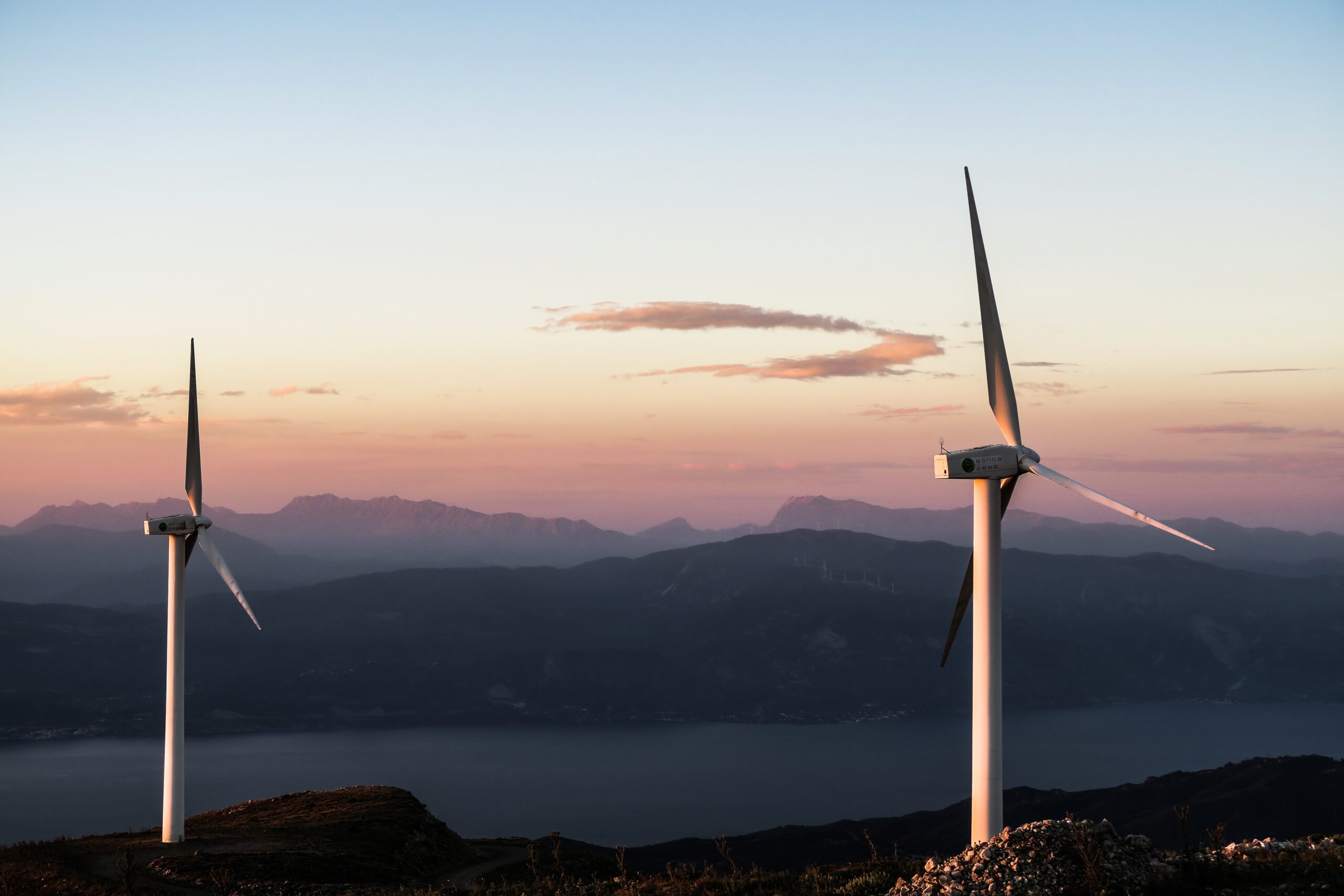
Cover photo by Jason Mavrommatis on Unsplash


